

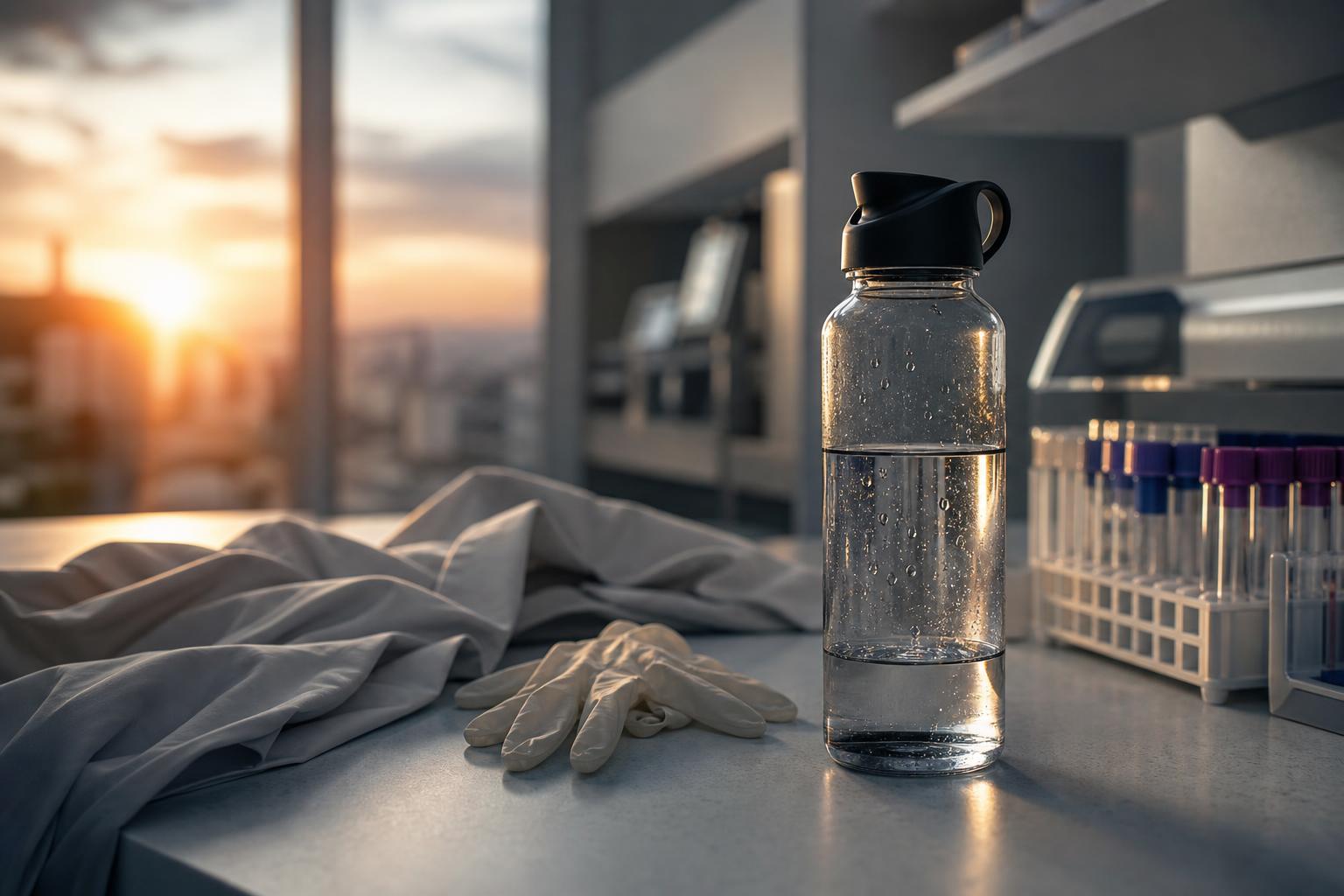
The most honest wellness check I know is not an app, not a smartwatch, and definitely not a dramatic Monday morning promise to “start fresh.” It’s the water bottle at the end of a shift.
Sometimes it’s still full. As in, grabe, parang display lang siya sa bench. Beside it is cold coffee, an unopened snack, and maybe a lunchbox that traveled all the way from home to work and back home again like it was on vacation.
If you work in the lab, or anywhere with long shifts, you know this scene. You start the day with good intentions. Hydrate. Eat properly. Walk a little. Don’t let stress eat you alive. Then the analyzer alarms, the phone rings, specimens keep coming, a result needs checking, someone asks for an update, and suddenly your “quick morning” becomes six hours of running on caffeine and stubbornness.
From the outside, healthcare workers are supposed to know better. We see lab values, we understand what dehydration can do, we know sleep matters, we understand why balanced meals are better than surviving on crackers and panic. But knowing and doing are two different specimens, and sometimes they are not even collected in the same tube. MedTech humor, sorry.
This is not a perfect wellness guide. This is more like a gentle reality check from one busy person to another, especially for Filipino MedTechs and OFWs who are trying to stay healthy while working shifts, sending money home, answering family updates across time zones, and pretending that instant noodles at midnight is a personality trait.
We know the science, but the shift still wins sometimes
There’s a funny kind of pressure when you work in healthcare. People assume you automatically live a healthy life because you know the terms. Naku. If knowledge alone could fix habits, every med tech would have perfect sleep, perfect hydration, and a meal plan with vegetables that don’t look sad.
The truth is more human. A lot of us are tired. Some are on rotating shifts. Some are adjusting to life abroad, where errands, laundry, groceries, cooking, budgeting, and family calls all happen after work. Some days, the only “movement” we get is walking from one department to another while carrying tubes, forms, or the emotional weight of a pending QC issue.
And yet, health still matters. Not in a dramatic, all-or-nothing way. More like: if we don’t take care of the basics, the body will eventually send a memo. And unlike hospital emails, this one is harder to ignore.
Sometimes taking care of yourself is not a big life makeover; it’s drinking water before your body files a complaint.
Sleep is not laziness, even if Filipino guilt says otherwise
For many OFWs, sleep feels negotiable. We squeeze it between shifts, video calls, errands, church, groceries, and the occasional “quick scroll” that becomes one hour because the group chat got active. Alam mo na.
But sleep is one of those basics that affects everything else. Mood, focus, appetite, patience, memory, even how we handle stress. And for people working in healthcare, focus is not a small thing. We deal with details. Labels. Results. Timing. Procedures. One sleepy brain can make an already hard shift feel ten times heavier.
Realistically, not everyone can get perfect sleep, especially with night shifts or rotating schedules. So maybe the goal is not perfection. Maybe it’s protection.
- Protect your sleep window when you can. Even if it’s not the “normal” sleeping time.
- Make the room sleep-friendly: darker, cooler, quieter if possible. Eye mask, earplugs, blackout curtains — not glamorous, but sulit.
- Be honest with caffeine. Coffee is a blessing, yes, but drinking it too close to bedtime can betray you later.
- Stop treating rest as a reward only after everything is done. Adulting never ends. The laundry will always find a way to resurrect.
Some days, sleep will still be messy. That’s real life. But if we keep sacrificing it every day, eventually we pay for it — with irritability, brain fog, cravings, or that heavy feeling where even simple tasks feel like climbing a hill.
Hydration sounds basic because it is — and that’s why we forget it
Water is the most boring health advice, which is probably why it works and why we ignore it. Nobody claps for you because you drank water. There’s no dramatic transformation montage. Just you, your bottle, and fewer “why do I feel like a dried mango?” moments.
For busy shifts, hydration needs to be practical. Not “drink a gallon while running between specimens.” Just make it easier to remember.
- Bring a bottle you actually like using. If the lid is annoying or it leaks, you’ll avoid it.
- Pair water with routine moments. Before starting the shift, after a break, after using the restroom, before leaving work.
- Don’t wait until you feel terrible. Thirst, headache, dry mouth, dark urine, and fatigue can be reminders that you may not be drinking enough, though symptoms can have many causes too.
And yes, bathroom breaks can be hard during busy duty. But we also have to stop acting like not peeing for an entire shift is a badge of honor. It’s not. It’s just our bladder silently judging our life choices.
Movement doesn’t have to look like gym content
When people say “exercise,” it can sound like you need a full outfit, a gym membership, a pre-workout drink, and lighting good enough for a fitness reel. For many of us, that’s not daily life.
Movement can be smaller and still meaningful. A short walk after a meal. Taking the stairs when your body is okay with it. Stretching your neck, shoulders, and back after hours of standing or sitting. Walking outside on a day off instead of staying in bed all day — though honestly, sometimes bed also wins, and we move on.
For MedTechs, the body gets used in strange ways. Standing for long periods. Reaching. Leaning. Repeating the same motions. Tension builds up quietly. Then one day your back complains louder than a STAT request.
A realistic goal may be: move a little before your body becomes stiff and angry. Not because you’re trying to become a fitness influencer. Just because you want to keep functioning without making sound effects every time you stand up.
Balanced meals are harder abroad, but not impossible
Food is emotional for Filipinos. It’s comfort, memory, reward, celebration, and sometimes stress management with rice. Especially abroad, food can feel like home. A warm meal after a shift can fix parts of the soul that sleep couldn’t reach.
But busy work can make eating chaotic. Skipped breakfast. Random snacks. Fast food because you’re too tired to cook. Leftovers eaten while standing. Or the classic: “I’ll eat after this one task,” then three hours disappear.
Balanced meals don’t have to be fancy. For most regular days, I think of it simply: some protein, some carbs, some vegetables or fruit, and enough food that you’re not running on fumes. If you cook Filipino food, that can still fit. It doesn’t have to be sad salad every day. Sinigang, tinola, munggo, grilled fish, eggs, chicken, rice, vegetables — simple food can be good food.
A few realistic ideas:
- Cook extra when you have energy, so your future tired self has food.
- Keep easy backup meals at home for days when cooking is not happening.
- Bring snacks that actually help, not just sugar that makes you crash later.
- Don’t shame yourself for imperfect meals. Just try to make the next one a little better.
Also, if you live abroad and your Filipino ingredients are expensive, I feel you. Sometimes the Asian store receipt is the real horror story.
Stress is not always loud
Stress doesn’t always arrive as a breakdown. Sometimes it looks like being easily annoyed. Or not replying to messages. Or feeling tired even after resting. Or eating too much, eating too little, sleeping poorly, doom-scrolling, or feeling like you’re carrying too many invisible tabs open in your brain.
For OFWs, stress can be layered. Work stress. Money stress. Homesickness. Family responsibilities. Visa or contract worries. Time zone relationships. The quiet pressure to be “okay” because people back home think being abroad means life is automatically easier.
Faith helps many of us. Prayer can be a real anchor. A quiet moment before duty, a whispered “Lord, help me today,” or gratitude after surviving a difficult shift — those things matter. But faith also doesn’t mean pretending we’re never tired. Sometimes prayer and practical help belong together.
It helps to notice patterns. Are you always exhausted? Always anxious before work? Always getting headaches? Always snapping at people? Always feeling numb? These are worth paying attention to.
Know when to ask for professional help
Here’s the important note: general wellness information is not a substitute for professional medical advice. Blog posts, social media tips, and friendly reminders can help us reflect, but they cannot diagnose or treat you.
If something feels wrong, persistent, severe, or unusual for you, please seek professional care. Talk to a doctor, qualified healthcare provider, mental health professional, or local urgent/emergency services when needed. Don’t delay care because you’re busy, embarrassed, or trying to “observe muna” forever.
This is especially important if symptoms affect your daily life, work, safety, breathing, chest comfort, consciousness, severe pain, mental health, or if you feel at risk of harming yourself or someone else. Follow your local healthcare system’s guidance for urgent concerns.
Healthcare workers can be the worst patients sometimes. We overthink, underreport, self-minimize, and say “kaya pa” like it’s a treatment plan. But asking for help is not weakness. It’s basic maintenance. Even machines need calibration. Tao pa kaya tayo.
Small habits count more when life is busy
I used to think healthy living had to look organized. Meal prep containers lined up perfectly. Exercise schedule printed out. Sleep routine like a monk. Water intake tracked. Stress managed with calm music and a face that says “I have inner peace.”
But real life is not always like that, especially for Filipino MedTechs and OFWs. Some weeks are messy. Some shifts are heavy. Some days you just survive, eat what’s available, call home, wash your scrubs, and sleep.
So maybe the kinder question is not, “Am I doing everything right?”
Maybe it’s: What is one basic thing I can do today that helps my body not feel abandoned?
Drink the water. Sleep a little earlier if you can. Stretch your shoulders. Eat something with actual nutrients. Step outside for a short walk. Tell someone you’re not okay. Book the appointment you’ve been postponing.
Nothing dramatic. Nothing perfect. Just small acts of care, repeated often enough that your body starts to trust you again.
And tomorrow, when you check your water bottle at the end of the shift, maybe it won’t be full anymore. Small win. Saya na rin.